
Maine Law Gives Drivers Already in the Circle the Right of Way, but Fault Isn't Always That Simple
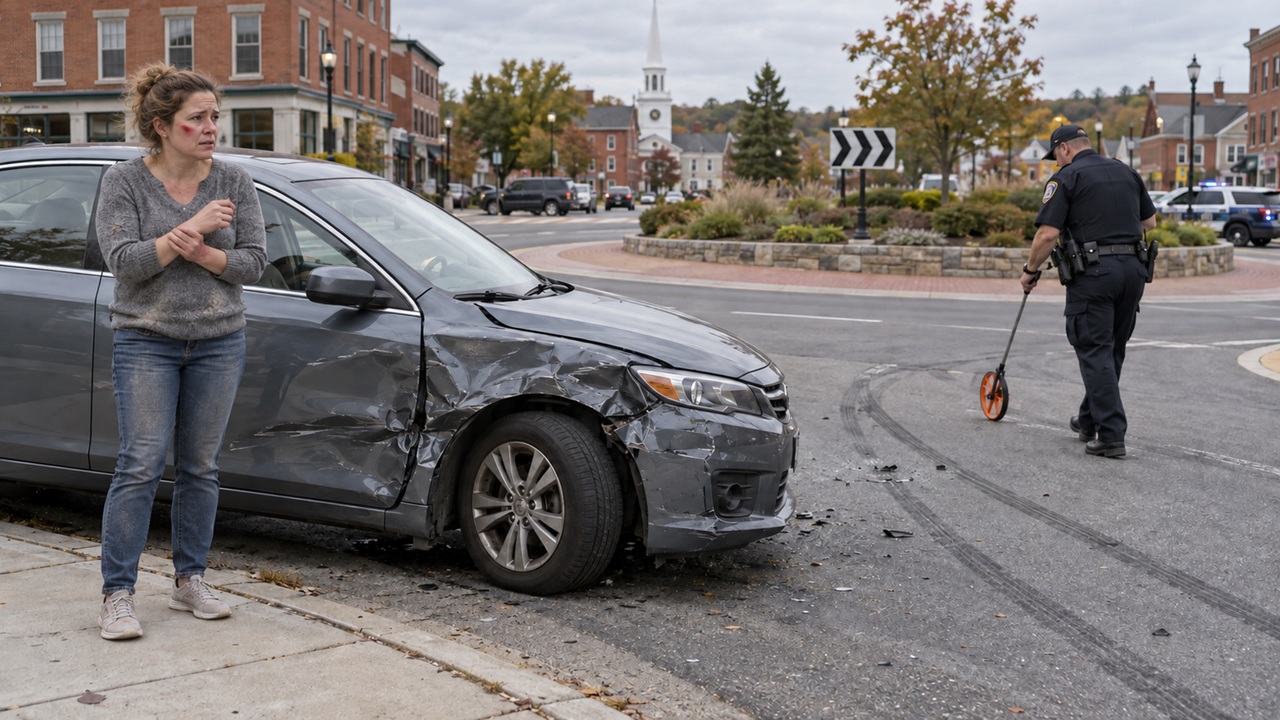
Roundabouts keep traffic moving at busy intersections across Maine, but many drivers still aren't sure who has the right of way once they enter the circle. That uncertainty often shows up later in crash reports, insurance claims, and disputes over who should pay for the injuries and damage.
State law requires drivers entering a roundabout to yield to vehicles already inside, so the entering driver is often the one at fault. But not every crash fits that pattern. Lane changes inside the circle, drivers cutting across lanes to exit, and large trucks swinging wide can all shift the blame to someone else.
Roundabouts confuse plenty of drivers, and that confusion gives insurance companies room to argue about who caused a crash. An injured driver can end up blamed for a collision they didn't cause. A Maine car accident lawyer can sort out what really happened and push back when an insurer tries to shift the blame.
|
Roundabout Rules Every Maine Driver Should Know
|
What Maine Law Says About Roundabouts and Rotaries
Maine has specific rules for roundabouts, rotaries, and traffic circles under 29-A M.R.S. § 2053. A driver approaching a roundabout must yield to any vehicle already inside the circle. Once in the circle, drivers must stay to the right of the center island and yield to vehicles on their left. They also have to follow all posted signs and pavement markings.
Maine's law also includes a rule many drivers don't know about. In a roundabout with more than one lane, drivers may not travel past more than two exits while in the outside lane. Drivers planning to go farther around the circle are expected to use the inside lane. Breaking that rule can set up a crash with someone entering or exiting.
These rules turn the usual right-of-way habits upside down. At a regular intersection, drivers generally yield to the car on their right. Inside a roundabout, that rule doesn't apply. A driver who breaks any of these rules is likely to be blamed, but a rule violation alone doesn't always settle fault. The full set of facts still matters.
Common Causes of Roundabout Crashes
Roundabouts are designed to slow traffic and cut down on serious crashes, but collisions still happen. Most come down to a driver who didn't follow the rules or wasn't paying attention. Some of the most common causes include:
- Failing to Yield When Entering: A driver pulls into the circle without waiting for a gap and strikes a car already inside.
- Changing Lanes Inside the Circle: A driver drifts or switches lanes without checking and sideswipes another vehicle.
- Exiting From the Wrong Lane: A driver in the inside lane cuts across the outside lane to make an exit.
- Speeding Into the Roundabout: A driver enters too fast to react to traffic already in the circle.
- Stopping Suddenly Inside the Circle: A confused driver brakes hard in the roundabout and gets rear-ended.
- Distracted Driving: A driver looking at a phone or GPS misses a yield sign or another car.
- Large Trucks Swinging Wide: A tractor-trailer's long body crosses into another lane while turning through the circle.
Each of these causes points to a different at-fault driver. That's why the details of a roundabout crash matter so much. The angle of impact, the lane each vehicle was in, and the damage to each car can all help show who was really responsible. Gathering that evidence early gives an injured driver a much stronger claim.
The table below shows who's usually at fault in some common roundabout crashes. Every crash is different, and the evidence in each case can change the outcome. Lane position, posted signs, and where each vehicle was struck often matter more than which driver was moving faster.
| Crash Scenario | Driver Usually at Fault | Why |
|---|---|---|
| An entering driver hits a car already in the circle | The entering driver | Entering drivers must yield to traffic already inside |
| An inside-lane driver exits across the outside lane | The inside-lane driver | Cutting across another lane without yielding is unsafe |
| An outside-lane driver goes past two exits and gets hit | Fault may be shared | Maine bars traveling past two exits in the outside lane |
| A driver stops suddenly in the circle and is rear-ended | Often the rear driver, but fault may be shared | Drivers must keep a safe distance, but sudden stops inside the circle can add blame |
| A truck's trailer sideswipes a car in the next lane | The truck driver | Truck drivers must avoid other vehicles while turning |
| A driver hits a pedestrian in a roundabout crosswalk | The driver | Drivers must yield to pedestrians in crosswalks |
When Both Drivers Share the Blame
Roundabout crashes often involve some mistake by both drivers, and Maine law accounts for that. Under the state's comparative fault rule, an injured person can still recover compensation as long as their share of the blame is less than the other driver's. Their award is then reduced based on their share of responsibility for the crash.
That rule gives insurance companies a strong reason to argue the injured driver did something wrong. They may claim the injured driver was speeding, distracted, in the wrong lane, or should have seen the other car coming. If an insurer can shift enough blame, it can cut the payout sharply or avoid paying at all.
An injured driver doesn't have to accept the insurer's version of events. A lawyer can gather evidence like photos, witness statements, and video to show what really happened. Proving the other driver caused the crash protects as much of the injured person's compensation as possible, which matters when medical bills and lost wages are piling up.
Roundabout Crashes Involving Trucks, Pedestrians, and Cyclists
Large trucks can be especially dangerous in roundabouts. Many roundabouts have a raised area around the center island, called an apron, built so long trucks can make the turn. Truck drivers may use that space, but they still have to avoid other vehicles. When a trailer swings into a car in the next lane, a truck accident claim may involve the driver and the trucking company.
Pedestrians and cyclists face their own risks. Crosswalks are usually set back from the circle at each entry and exit, and drivers leaving the roundabout don't always look for people crossing. A driver focused on finding a gap in traffic can easily miss someone on foot or on a bike, with serious results.
These crashes often cause severe injuries, such as broken bones, head trauma, and spinal injuries. When a commercial vehicle is involved, the injured person may be up against a trucking company's insurer and lawyers. Having experienced legal help on their side can make a major difference in the outcome.
How to Prove Fault After a Roundabout Crash
The evidence gathered in the first hours and days after a roundabout crash can decide who's held responsible. These steps can help protect an injured driver's claim:
- Photograph Lane Markings and Signs: Pictures of lane arrows, yield signs, and the layout of the roundabout show which rules applied.
- Document Vehicle Positions and Damage: Where the cars ended up and where they were hit can show how the crash happened.
- Get Witness Names: Other drivers and pedestrians can confirm who entered, changed lanes, or cut across.
- Get the Police Report: The report records each driver's account and any citations issued.
- Ask About Nearby Video: Businesses and homes near the roundabout may have cameras that captured the crash.
- Get Medical Care Right Away: Prompt treatment protects health and creates records that tie injuries to the crash.
Maine generally gives injured people six years to file a personal injury lawsuit, but waiting still hurts a case. Video gets recorded over, witnesses forget details, and insurers build their side of the story. Talking to a lawyer early gives an injured driver the best chance to lock down evidence while it's still available.
Never Back Down After a Maine Roundabout Crash
A roundabout crash can leave an injured driver facing medical bills, missed work, and an insurance company eager to blame them. The rules of the road are on the side of drivers who followed them, but proving it takes evidence and experience. Injured Mainers deserve a legal team that won't let an insurer twist the facts.
Since 1979, Jabar LaLiberty, LLC has fought for injured people across Maine from offices in Waterville and Portland. Our family firm has recovered more than $100 million for our clients. Other firms refer cases to us, and every client gets personal attention from an attorney, not a case manager.
We handle car accident cases on a contingency fee, so there's no fee unless we recover money for you. Talk to a lawyer on our team today to find out who was really at fault in your roundabout crash and what your case may be worth.
"Very professional and great communication. Jason & Vicky were fantastic through a long process. Would absolutely recommend to anyone that needs someone dependable to fight for them." - Evan D., ⭐⭐⭐⭐⭐