
A Lifetime Care Projection Has to Reflect the Injured Person's Actual Medical and Daily Needs
September is Spinal Cord Injury Awareness Month, a time to recognize not only the medical effects of these injuries but also the long-term support many people need after leaving the hospital.
A serious back or spinal cord injury can change almost every part of daily life. Hospitalization and surgery may be only the beginning. Someone with permanent neurological impairment may need personal assistance, rehabilitation, medical equipment, medications, home modifications, transportation assistance, and continuing treatment for years or decades.
Those future needs can represent a substantial part of a Maine personal injury claim. But the calculation shouldn't simply take a national average and multiply it by someone's remaining life expectancy.
Future expenses must be connected to the individual's injury and supported by medical evidence. The frequency and duration of the care also need support, as do the projected costs.
Our personal injury attorneys can work with treating physicians and, when appropriate, life care planning, rehabilitation, vocational, and economic professionals to evaluate what an injured person's future may reasonably require.
How Expensive Can Living With a Spinal Cord Injury Be?
The costs can be substantial, but they vary considerably with the severity of the injury, age, functional ability, medical complications, and level of assistance required.
The National Spinal Cord Injury Statistical Center at the University of Alabama at Birmingham publishes updated national estimates of health care and living expenses attributable to traumatic spinal cord injury.
Its 2026 SCI Facts and Figures report the following estimates in 2025 dollars:
| Severity of Injury | First Year | Each Subsequent Year |
|---|---|---|
| High Tetraplegia (C1-C4), AIS A-C | $1,446,827 | $251,246 |
| Low Tetraplegia (C5-C8), AIS A-C | $1,045,459 | $154,128 |
| Paraplegia, AIS A-C | $705,131 | $93,409 |
| Motor Function at Any Level, AIS D | $472,190 | $57,353 |
These are national estimates of what a particular Maine injury claim is worth.
The figures represent health care and living expenses directly attributable to spinal cord injury. They don't include indirect losses such as lost wages, lost employment benefits, or reduced productivity. A person's actual expenses can also be higher or lower than the national averages.
That distinction matters in a legal case. National statistics can illustrate the potential financial scale of a spinal cord injury, but individualized evidence is generally necessary to establish the damages caused by a particular accident.
What Can Be Included in Future Care Costs?
The answer depends on what the medical evidence shows the injured person will probably need.
Future economic losses associated with a spinal cord injury may include:
- Medical Treatment: Follow-up visits, specialist care, medications, diagnostic testing, surgery, and treatment of complications related to the injury.
- Physical and Occupational Therapy: Continued rehabilitation may be necessary to maintain strength, function, mobility, or independence.
- Personal Care Assistance: Some people need help with bathing, dressing, transfers, meal preparation, bowel and bladder care, or other activities of daily living.
- Durable Medical Equipment: Wheelchairs, cushions, hospital beds, lifts, braces, and other equipment may require periodic replacement or repair.
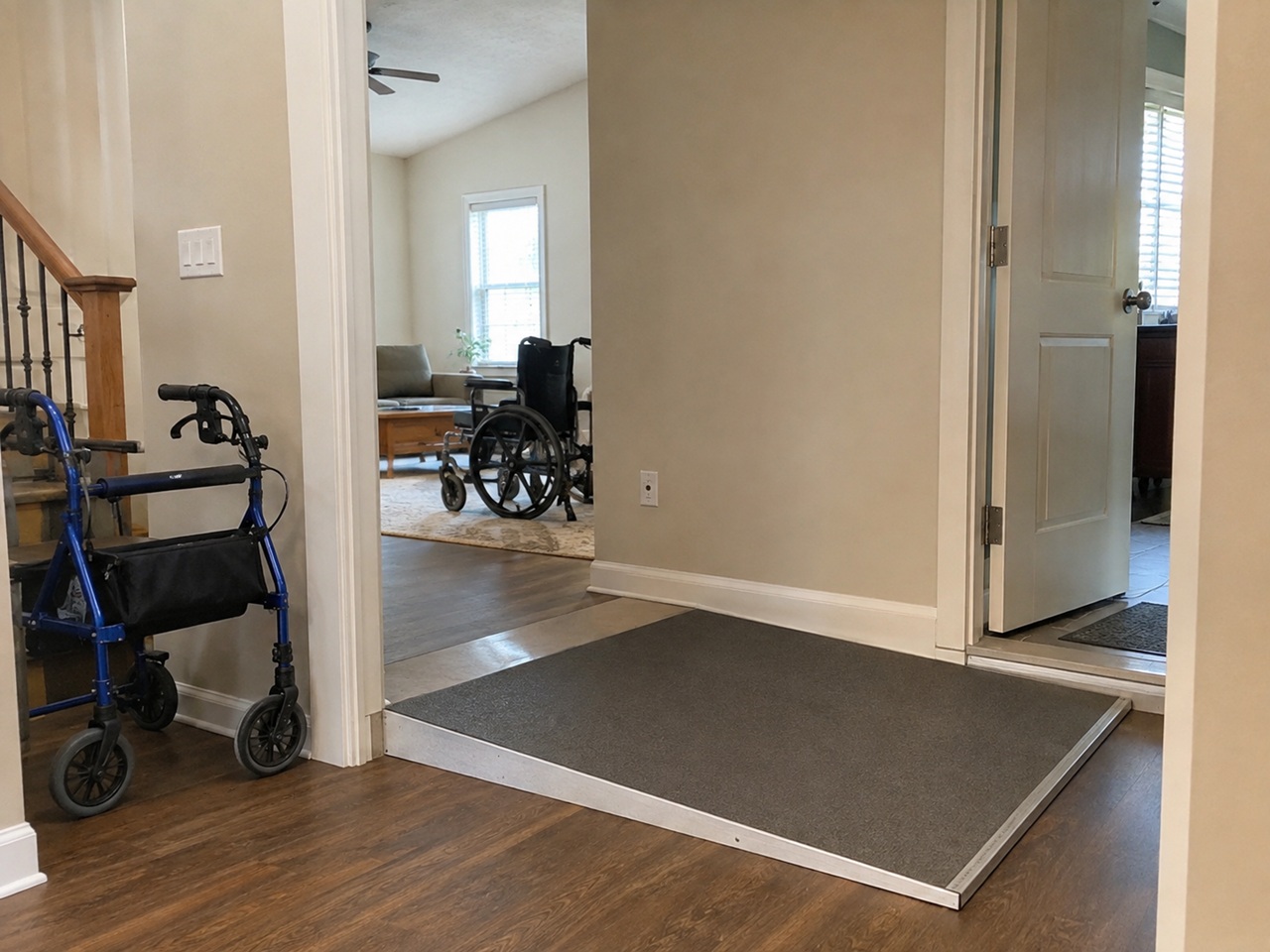
- Home Modifications: Ramps, accessible bathrooms, widened doorways, lifts, or other changes may be necessary to make the home usable and safe.
- Accessible Transportation: Depending on the person's mobility, a modified vehicle or other transportation assistance may be necessary.
- Medical Supplies: Catheters, wound-care supplies, continence products, and other recurring supplies can become significant long-term expenses.
- Treatment of Secondary Complications: Spinal cord injuries can increase the risk of pressure injuries, urinary complications, respiratory problems, and other conditions that may require additional treatment.
Some cases may also involve vocational rehabilitation or other expenses related to adapting to a permanent disability. Those losses need to be evaluated separately based on the person's work history, functional limitations, and expected future needs.
Who Determines What Care Will Be Needed in the Future?
No single professional necessarily answers every question.
Treating physicians and other medical specialists are often the starting point because they understand the injury, prognosis, complications, and expected course of treatment.
A life care planner may then organize those medical recommendations into a structured projection of future needs. Life care planners can come from nursing, rehabilitation counseling, therapy, or other health care backgrounds and may have additional training or certification in life care planning.
A plan can address questions such as:
- What treatment is expected?
- How frequently will it be needed?
- How long is the need expected to continue?
- What equipment will probably need to be replaced?
- How many hours of personal assistance are anticipated?
- What modifications will be needed at home?
- What complications are reasonably anticipated?
- What are the reasonable costs of those services in the relevant geographic area?
An economist may also become involved, particularly when the projected expenses extend many years into the future, or the case includes a substantial loss of future earning capacity.
An economist doesn't decide which medical services are necessary. Instead, the economist can take supported assumptions about future care and address economic issues such as inflation, wage growth, discount rates, and present value.
What Does Maine Law Require to Recover Future Care Costs?
Maine law doesn't permit damages to rest entirely on speculation.
In Michaud v. Steckino, the Maine Supreme Judicial Court explained that damages can't be uncertain, contingent, or speculative. They must be grounded in facts or evidence from which their existence and amount can be determined to a probability.
The court also distinguished between a future consequence that is merely possible and one that the evidence shows is probable or reasonably certain to follow.
That distinction is particularly important in a spinal cord injury case.
A life care plan shouldn't simply list every treatment or complication that could conceivably occur. The stronger evidence identifies the care that medical professionals reasonably expect the person to require as a result of the injury.
Maine case law has similarly recognized that medical expenses must be reasonably related to the injury and supported with sufficient certainty. In Blais v. Davis, the Law Court discussed the need to establish the relationship between medical expenses and the accident-related injuries.
For a future-care claim, both sides of the equation matter: whether the care will likely be needed and whether the accident caused the condition that created that need.
Does Maine Use Present Value for Future Losses?
Present value can become an important part of a large future economic damages calculation, but it shouldn't be reduced to a simple rule that every future number is multiplied by the same formula.
The basic concept recognizes that a lump sum received today is different from money that would otherwise be spent gradually over many future years.
The Maine Supreme Judicial Court has expressly applied present-value principles to loss of future earning capacity. In Ginn v. Penobscot Company, the court explained that future earning-capacity damages are measured by their present worth rather than simply adding together every dollar that would have been earned over the person's remaining work life.
Present-value analysis has also been used for future rehabilitation expenses in serious Maine injury litigation.
That doesn't mean an attorney should take the current annual cost of care, multiply it by life expectancy, and call the result the value of the future-care claim. Changes in costs over time, the timing of particular expenses, replacement schedules, and appropriate economic assumptions can all affect the calculation.
Why Isn't Multiplying Annual Costs by Life Expectancy Enough?
Because care needs aren't necessarily constant from one year to the next.
A wheelchair might need to be replaced every several years rather than annually. A major home modification may occur once. Personal care needs may increase as the injured person ages. Certain therapies may become less frequent, while complications could increase medical needs later.
Life expectancy itself also requires care.
The National Spinal Cord Injury Statistical Center publishes SCI-specific life expectancy information because outcomes vary by age, neurological level, injury severity, ventilator dependence, and the duration of survival after the original injury.
Those population estimates can be useful, but the Center cautions that they describe averages for groups of similar people. An individual's medical history and other circumstances may point to a different prognosis.
That is why a serious future-care projection generally works better as a timeline of expected needs rather than one annual number repeated for decades.
What Can Cause a Life Care Plan to Change?
A life care plan is built from assumptions about the person's future. When those assumptions change, the projected cost can change too.
Important factors may include:
- Age at Injury: A younger person may require care over a substantially longer period.
- Neurological Level and Completeness: The degree of motor and sensory impairment can significantly affect the need for assistance and equipment.
- Ability to Perform Daily Activities: Someone who can transfer, dress, and perform personal care independently may have different needs from someone requiring continuous assistance.
- Respiratory Support: A person who requires ventilator support may have substantially different medical and attendant care needs.
- Secondary Complications: Pressure injuries, respiratory problems, urinary complications, chronic pain, and other conditions can affect future treatment.
- Living Arrangement: Care provided at home can involve different expenses from care in a rehabilitation or residential setting.
- Equipment Needs: Wheelchairs, lifts, accessible vehicles, and other technology have different useful lives and replacement schedules.
- Geographic Costs: The cost of home health care, therapy, construction, and other services can differ by location.
- Medical Developments: Treatment recommendations can change as the person's condition and available medical options evolve.
Someone's actual functional limitations matter more than simply attaching a dollar figure to a diagnostic label.
How Are Lost Earnings Different From Future Care Costs?
They compensate for different economic losses.
Future care expenses address money that is reasonably expected to be spent because of the injury. Lost earning capacity refers to income the injured person would probably have earned but for the injury.
A spinal cord injury can affect both.
Someone may need hundreds of thousands of dollars in future care while also losing the ability to return to a former occupation. Another person may return to work with accommodations but still incur substantial medical and personal care expenses.
National spinal cord injury cost estimates generally don't include indirect losses such as wages, fringe benefits, and productivity. Those damages therefore shouldn't be assumed to be included simply because a future-care estimate is already large.
Can the Defense Challenge a Life Care Plan?
Yes. A life care plan isn't automatically accepted because a qualified professional prepared it.
The defense may challenge whether particular services are medically necessary, whether the frequency of care is supported, whether a less intensive level of assistance would be sufficient, or whether the projected prices accurately reflect likely costs.
Life expectancy, equipment replacement schedules, future treatment, and the connection between a proposed expense and the accident can also become disputed.
Defense attorneys may retain their own medical, rehabilitation, life care planning, or economic experts to offer different opinions.
That is why the foundation of the projection matters. Treatment records, physician recommendations, therapy assessments, actual invoices, vendor estimates, and testimony about the injured person's daily limitations can be more persuasive than assumptions based solely on general statistics.
Why Does Documentation Need to Begin Early?
A future-care claim is based partly on what has already happened.
Records showing the person's actual experience with rehabilitation, attendant care, assistive devices, accessibility problems, and complications can help establish what is likely to continue.
Useful documentation may include:
- Hospital and rehabilitation records;
- Physician recommendations;
- Physical and occupational therapy evaluations;
- Home health and attendant-care records;
- Receipts for medical equipment and supplies;
- Wheelchair and equipment specifications;
- Home accessibility evaluations;
- Contractor estimates for modifications;
- Transportation or vehicle-modification estimates; and
- Employment and vocational records.
Our attorneys discuss future treatment with medical providers when evaluating the full damages associated with a serious Maine injury. The objective is to understand not just what someone has already spent, but what the evidence supports about the years ahead.
A Settlement Has to Account for Needs That May Last Decades
A serious spinal cord injury claim shouldn't be evaluated solely by adding up the medical bills that have already arrived.
Once a personal injury case is fully resolved, an injured person generally can't return years later simply because a wheelchair needs replacement, personal assistance became more expensive, or another injury-related expense arose that wasn't adequately considered.
That makes future-care analysis especially important before accepting a final settlement.
A proposed resolution should be compared with the supported medical prognosis, anticipated care, available insurance coverage, other damages, and the risks of continued litigation. No life care plan can predict every future event with perfect accuracy, but a careful projection can help prevent known long-term needs from being overlooked.
Our Maine Lawyers Build Serious Injury Claims Around the Evidence
Jabar LaLiberty, LLC has represented injured Mainers since 1979. When an injury may require years of medical treatment or personal assistance, we work to understand the long-term consequences before valuing the claim.
That can include consulting treating physicians and other qualified professionals, documenting future medical and rehabilitation needs, evaluating loss of earning capacity, and examining how the injury has changed daily life.
Our case results reflect decades of representing people with serious injuries, but every spinal cord injury claim depends on its own evidence, available insurance or other sources of recovery, and the circumstances that caused the injury.
If you suffered a spinal cord injury in Portland, Waterville, or elsewhere in Maine because of someone else's negligence, contact us to discuss what happened and what your future care may involve. We offer a free consultation for personal injury cases.
"It's not just about the case. It's about the person, and when the person is hurt, he's very understanding about everything that goes on with it; the doctors, the surgery. Nobody could have done any better than Jason did." - Personal injury client ⭐⭐⭐⭐⭐