
Whiplash Protection Status Just Got Harder To Earn
Rear-end crashes are the kind of collision that feels routine until it happens. Traffic compresses fast. Someone glances down. A driver misjudges stopping distance. In Maine, that risk shows up everywhere from winter slick spots to stop-and-go backups on Maine commuter routes.
The injury that follows is often treated like a nuisance, even when it isn't. Neck sprains and strains are still the most frequently reported injuries in U.S. auto insurance claims, which is exactly why whiplash remains a constant fight point in car accident cases.
That reality is why a new safety development matters for regular drivers, not just engineers. The Insurance Institute for Highway Safety (IIHS) has launched a new seat and head restraint evaluation aimed directly at reducing whiplash risk in rear impacts. The first results were blunt: only four of 18 small SUVs tested earned a "good" rating.
The Results Drivers Should Know
This new evaluation is not a tie breaker. It's a gap-finder. Under the updated test, most of the small SUVs in this first group didn't deliver top-tier protection for the head, neck, and upper spine in rear-impact tests.
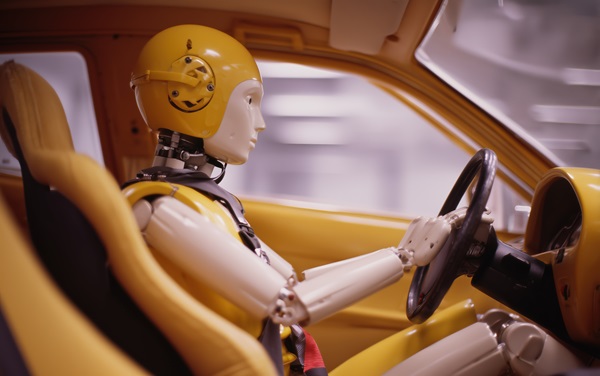
That matters because whiplash prevention isn't just about whether a head restraint is present. It's about whether the seat and restraint keep the head and spine aligned while the vehicle absorbs crash energy. In the lowest-rated designs, test footage showed the dummy’s head moving too much relative to the spine, with the cervical vertebrae stretching and straightening instead of maintaining their natural curve.
The easiest way to use this news is to treat it like a consumer-facing scoreboard. The vehicles below are the first wave of published results, and many extend into the 2026 model year as indicated by IIHS. Here is how the first 18 small SUVs performed in the new whiplash prevention evaluation:
- Good: Audi Q3; Hyundai Ioniq 5; Subaru Forester; Toyota RAV4.
- Acceptable: Buick Encore GX; Chevrolet Equinox; Honda CR-V; Jeep Compass; Kia Sportage; Mercedes-Benz GLB-Class; Mitsubishi Outlander; Volkswagen Taos; Volvo XC40.
- Marginal: BMW X1; Nissan Rogue.
- Poor: Ford Bronco Sport; Hyundai Tucson; Mazda CX-50.
Those "poor" ratings weren't close calls. IIHS described serious performance shortcomings, including delayed head restraint contact and excessive head motion relative to the spine.
If a rear-end crash leaves a driver dealing with neck symptoms, the vehicle rating doesn't decide the claim, and it doesn't decide the recovery. What it does help explain is why whiplash injuries can happen even in crashes that look minor on the outside, which is often the first argument insurance companies try to make.
What Changed In The Test, And Why That Matters
The earlier IIHS head restraint evaluation was discontinued because designs improved to the point that almost every vehicle was earning "good" marks. That was progress, but it also meant the test stopped separating the best designs from the ones that still produced higher real-world injury claim rates.
The new evaluation isn't just about whether the head restraint sits behind the head. It's about what happens in the split second after a stationary vehicle gets hit from behind, when the torso loads into the seat, and the head tries to lag behind.
IIHS groups the evaluation metrics into three buckets: head and spine support, stable interaction between head and head restraint, and how well the seat manages crash energy transferred to the occupant.
Within those buckets are measurements that map directly onto the kinds of motion that lead to painful, stubborn neck injuries. For example, the guidelines emphasize head contact time and head-to-pelvis relative velocity as markers tied to alignment and timely head support.
The guidelines also make an important point that drivers often miss. This rating does not include a static head restraint position score because head restraint position is already addressed by federal safety standards. The rating is driven by dynamic performance in simulated rear impacts.
Why Maine Rear-End Crashes Create Whiplash Disputes
Maine rear-end crashes often happen in conditions that amplify risk: bridge decks that freeze first, sudden slowdowns near tolls and merges on the Maine Turnpike, and tight stop-and-go pockets in Portland and Waterville. Add tourism traffic on U.S. Route 1, where unfamiliar drivers brake hard for turns and parking, and rear impacts become a predictable outcome of unpredictable flow.
Bad weather is not a free pass. Drivers are expected to adjust by slowing down, increasing following distance, and staying alert. When someone fails to do that and hits the vehicle ahead, they can still be liable for the crash, even if the roads were slick.
These cases also tend to draw insurance pushback because whiplash injuries can be real even when vehicle damage looks modest. Insurers may seize on photos and repair estimates to argue the impact was “too minor,” so the outcome often turns on clean documentation, consistent care, and a clear record of how the injury is affecting daily life.
Injured in a Maine Rear-End Crash? Get Answers In A Free Consultation.
Rear-end crashes in Maine can look minor and still cause serious whiplash. Insurance companies know that and still use the “no damage, no injury” argument to pay less.
For a free case consultation, contact Jabar LaLiberty, LLC. We have decades of experience and have recovered over $100 million for injured Mainers.
"Jason did an outstanding job for me with my case. He got me what I deserved and didn’t let the insurance company push me around. He stood his ground, and his professionalism shows that." - Keith Q., ⭐⭐⭐⭐⭐